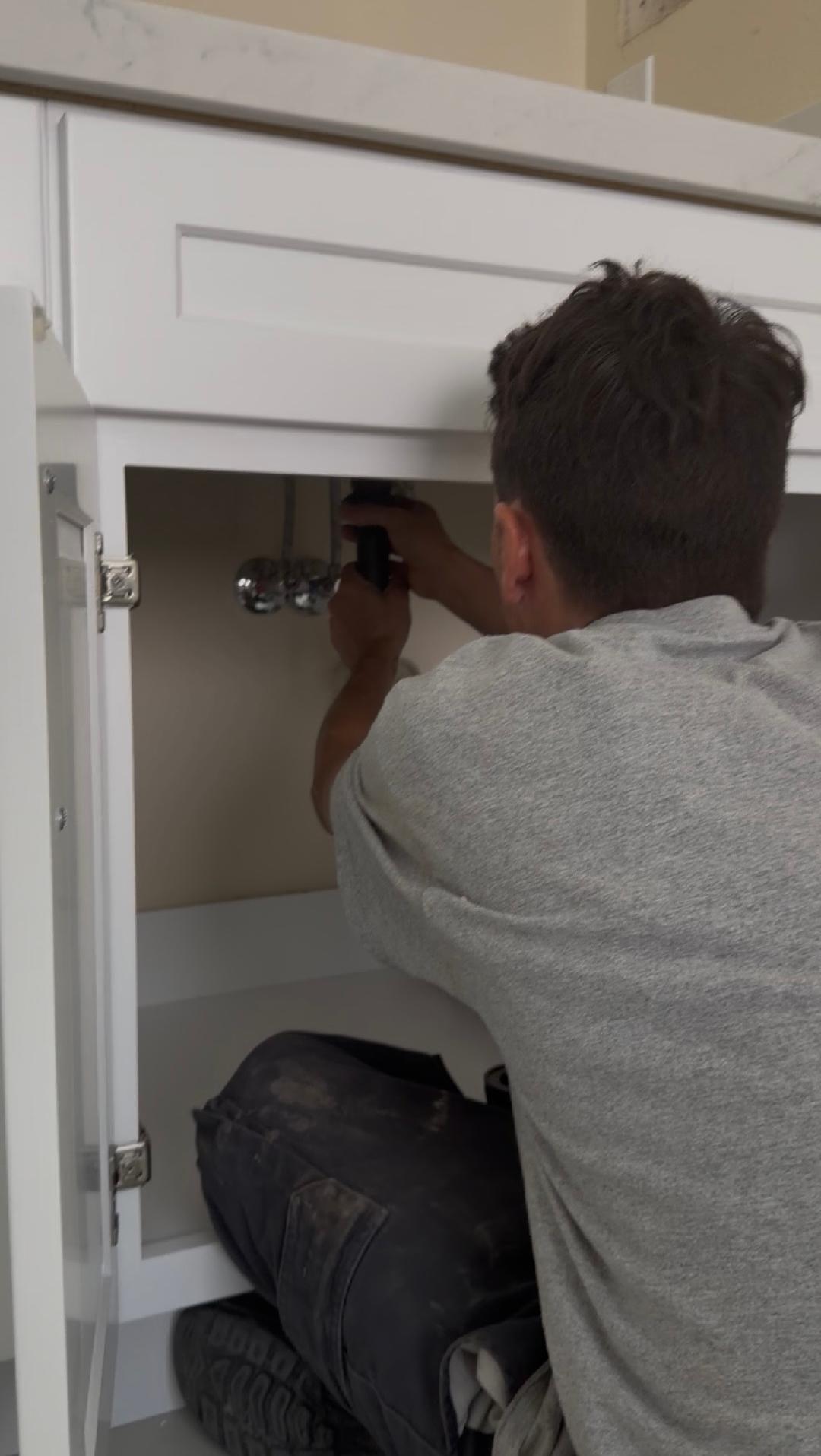
Protect Your Home and Save Money by Detecting Leaks Early
Even a small plumbing issue can cause major problems if left unattended. Learning how to find a plumbing leak is key to protecting your home from water damage, mold growth, and rising water bills. By spotting problems early, you can keep your plumbing system running efficiently and save money on costly repairs.

Signs of a Plumbing Leak
Early leak detection early is crucial. Sometimes a leak reveals itself with obvious warning signs, while other times it hides in plain sight. Watch for these common indicators:
- High water bills with no obvious reason
- The sound of running water when all fixtures are off
- Damp or wet spots on walls, ceilings, or floors
- Low water pressure in your faucets or shower
- Areas where water is leaking somewhere suddenly
Any of these signs can be a red flag that your water supply or water lines may have an issue. Even small leaks can cause long-term damage if ignored.
How to Detect Plumbing Leaks at Home
If you suspect a leak, there are a few steps you can take to check your plumbing system before calling a professional.
- Turn off all water in your home and monitor your water meter. If the meter continues to register movement, it indicates the presence of a leak.
- Inspect common trouble spots: under sinks, behind toilets, near appliances, and around faucets. Inspect the area for signs of moisture, corrosion, or active leaks.
- Use water leak detectors or moisture sensors to catch hidden leaks early. These tools are affordable and provide peace of mind.
- A simple test involves adding a few drops of food coloring to the toilet tank. If the color appears in the bowl without flushing, a leak is present.
Taking these steps helps in locating leaks before they escalate into serious problems.

Checking for an Underground Plumbing Leak
Some leaks are not visible and can occur deep within your underground pipe system. An underground plumbing leak can be challenging to find but can cause serious damage to your property if ignored.
Look for these signs of underground leaks:
- Spongy soil or persistent puddles in your yard
- Overly lush grass in one spot compared to the rest of your lawn
- Unexplained cracks in sidewalks, driveways, or your foundation
- Sudden drops in water pressure
These signs indicate that damage has occurred in your water lines or underground pipes. You will need special tools to find the leak.
How Does a Plumber Find a Water Leak Underground?
You may wonder how a plumber finds a water leak underground without tearing up your yard. Professional plumbers use special tools and advanced tools to locate leaks accurately and efficiently.
Some common methods include:
- Acoustic listening devices to detect the subtle sound of running water inside water lines
- Thermal cameras to spot temperature changes caused by moisture
- Pressure testing equipment to find weak points in your system
- Video pipe inspections to see inside pipes and underground leaks
These methods allow professional plumbers to find leaks accurately, prevent property damage, and maintain your plumbing system.

Common Causes of Plumbing Leaks
Understanding the common causes of plumbing leaks can help you prevent them from occurring. Some of the most frequent causes include:
- Aging pipes – Over time, water lines can corrode, crack, or weaken, leading to leaks.
- High water pressure – Constant pressure on pipes can wear them down and cause small leaks.
- Tree roots – Roots can grow into underground pipe systems and cause underground leaks.
- Loose connections – Faulty joints, fittings, or seals in your plumbing system can result in water escaping.
- Accidental damage – Construction, remodeling, or DIY projects can by mistake damage water lines, leading to leaks.
Identifying these causes early helps protect your water supply and keeps your home’s plumbing system in good condition.
DIY Steps to Minimize Plumbing Leak Damage
While some leaks require professional plumbers, there are steps homeowners can take to reduce damage:
- Turn off all water immediately if you notice a leak. This stops further water loss and prevents damage to floors or walls.
- Locate the source using basic inspections, looking for wet spots, mold, or the sound of running water.
- Use temporary fixes like pipe clamps or sealants for small leaks until a professional can repair the issue.
- Install water leak detectors to alert you of any future leaks, providing ongoing peace of mind.
These simple actions can prevent minor issues from escalating into costly repairs.
Long-Term Impacts of Ignored Leaks
Ignoring plumbing leaks, especially underground leaks, can lead to serious problems:
- Structural damage to foundations and floors
- Mold and mildew growth, affecting indoor air quality
- Increased plumbing leak detection cost when leaks worsen
- Wasted water and higher utility bills
Even small leaks should never be ignored. Addressing problems early protects your home and your water supply.
Importance of Regular Plumbing Maintenance
Regular maintenance of your plumbing system is one of the best ways to prevent leaks. Here’s what you can do:
- Inspect exposed water lines regularly for signs of corrosion or damage
- Check for wet spots around sinks, tubs, and appliances
- Monitor your water meter for unusual activity
- Schedule annual inspections with professional plumbers who have advanced tools and special tools for locating leaks
- Replace aging or outdated underground pipe systems proactively
Consistent maintenance helps in detecting leaks early, saving money, and providing peace of mind for you and your family.

Tools and Techniques for Detecting Leaks
Beyond basic inspections, professional plumbers have access to special tools and advanced tools for locating leaks:
- Acoustic listening devices pick up the subtle vibrations of water inside water lines
- Thermal imaging cameras detect moisture or underground leaks behind walls or under floors
- Pressure gauges and flow meters help identify abnormal water usage
- Video pipe inspections allow experts to see inside underground pipe systems and locate weak points
Even homeowners can use water leak detectors to monitor high-risk areas, giving them peace of mind.
Preventive Measures to Avoid Leaks
Preventing leaks is always better than fixing them. Steps to maintain your plumbing system include:
- Scheduling regular inspections of water lines and underground pipe systems
- Installing water leak detectors near water heaters, sinks, and toilets
- Replacing old or corroded pipes before failure
- Monitoring your water meter and bills for unusual spikes in usage
- Teaching household members to recognize small leaks or wet spots
These preventive measures help catch leaks early, protect your water supply, and extend the life of your plumbing system.
When to Call a Professional Plumber
Even with preventive measures, some leaks require expert intervention. Signs it’s time to call professional plumbers include:
- Persistent wet spots or puddles
- Unexplained increases in high water bills
- Suspicious mold or odors near your water supply
- Suspected underground leaks in your yard or foundation
- Any situation where you cannot locate the leak safely
Professionals use special tools and advanced tools to quickly and safely detect and repair leaks, protecting your home and giving you peace of mind.
Peace of Mind Comes From Prompt Action
The biggest benefit of knowing how to find a plumbing leak is the peace of mind that comes from taking action. Catching small leaks early protects your water supply, water lines, and plumbing system from damage.
Use water leak detectors or call a plumber right away. Contact Plumbing Repair Experts to stop leaks from getting worse, lowers repair costs, and keeps your home safe.