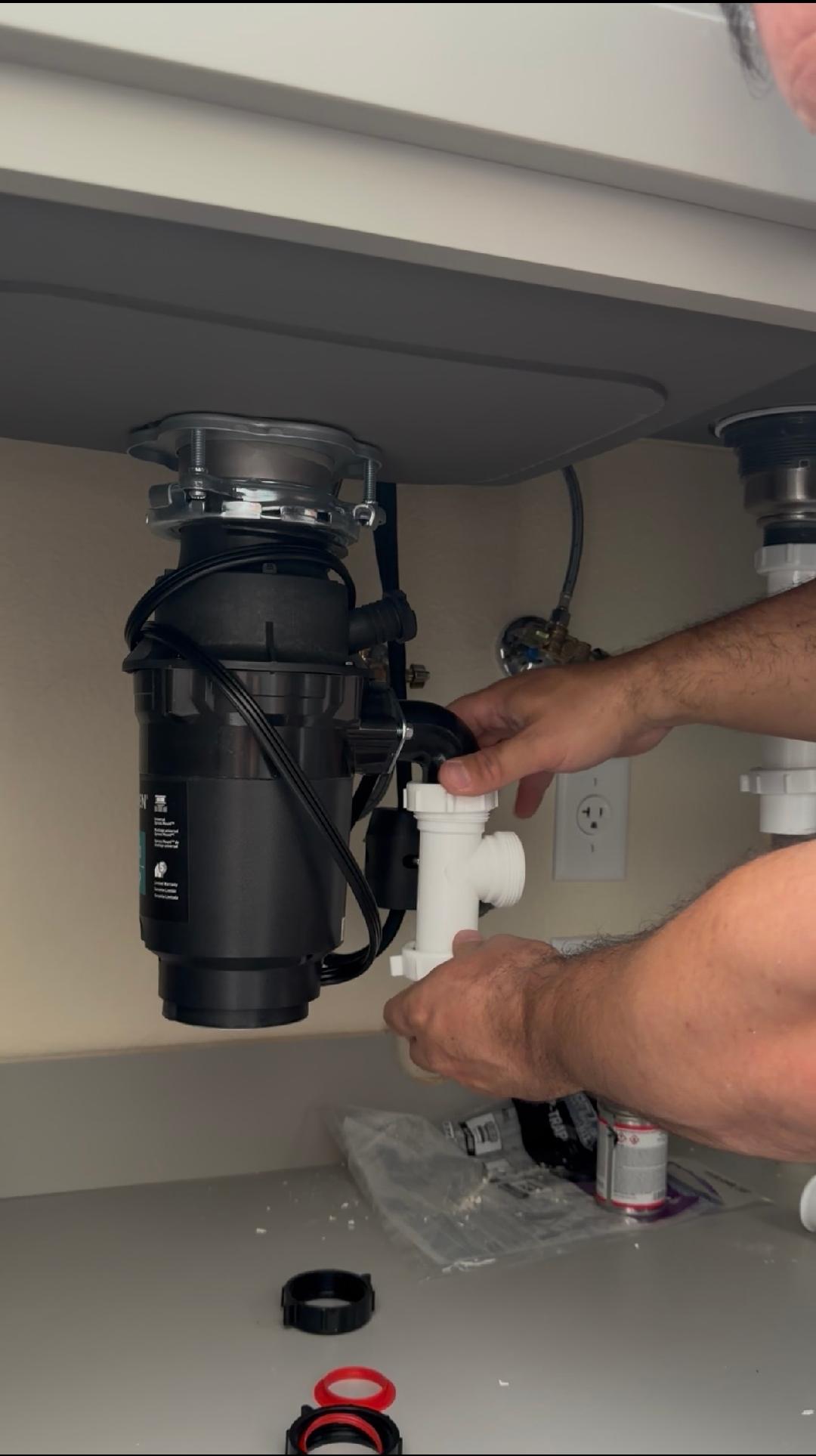
Garbage Disposal Maintenance Tips
Your garbage disposal keeps your kitchen sink clean and easily removes food waste. But like any appliance, it needs regular care to work properly. Without proper maintenance, your garbage disposal can get clogged, leak, or stop working. Even small problems can become major headaches if you ignore them.
Many homeowners disregard minor problems and fail to recognize that they can develop into more serious issues over time.
The good news is that with a few simple habits, you can keep your disposal running smoothly and avoid expensive repairs. Here are five garbage disposal maintenance tips every homeowner should know.
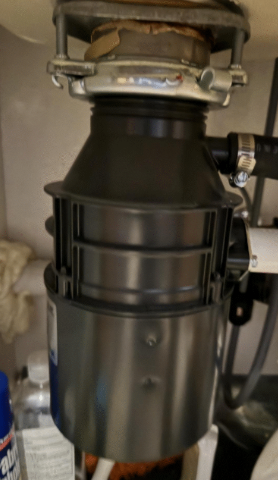
1. Clean Your Garbage Disposal Regularly
One of the best ways to prevent odors and buildup is to learn how to clean your garbage disposal properly. Following good garbage disposal maintenance tips can save you from costly repairs down the road.
Small food particles and grease can stick inside the unit over time. This can lead to unpleasant odors and clogs in the sink drain.
Here are some simple cleaning tips:
- Always run cold water when using the disposal
- Grind ice cubes occasionally to help clean the blades
- Use a little dish soap and hot water to wash away grease
- Avoid pouring grease or oil down the drain opening
For best results, turn on the disposal while water is running so food scraps move smoothly through the pipes. Regular cleaning helps your garbage disposal stay fresh and work efficiently.
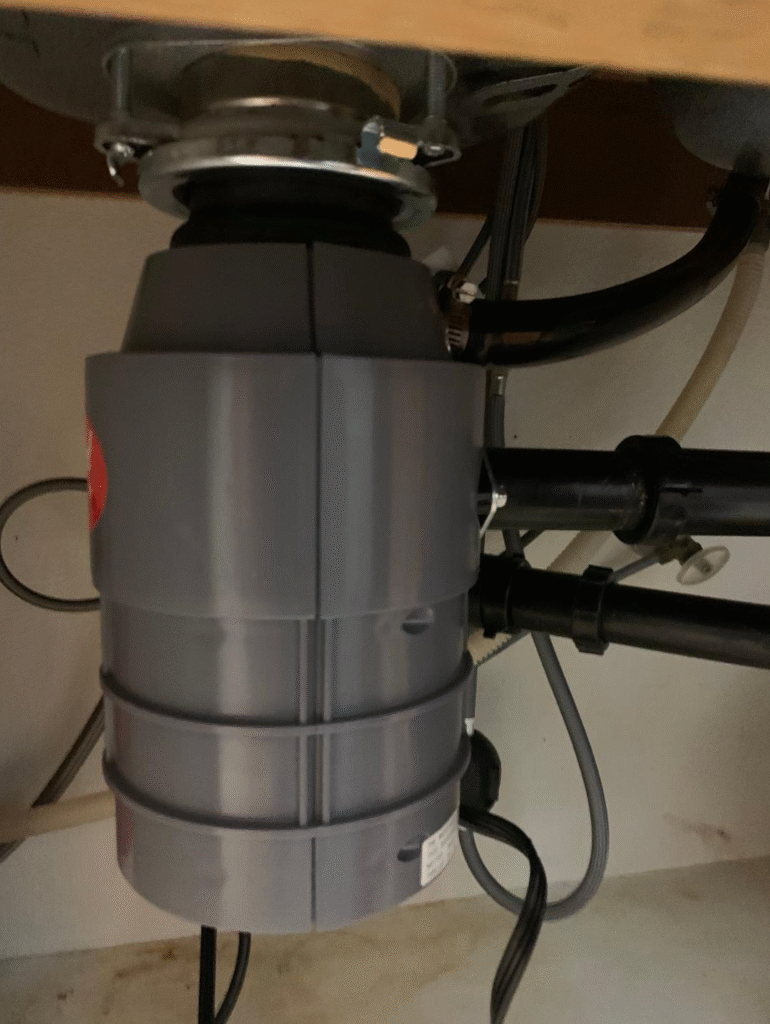
2. Avoid Foods That Can Cause Clogs
A garbage disposal clogged problem is one of the most common issues homeowners face. Following simple garbage disposal maintenance tips can help you avoid this frustration altogether.
Certain foods should never enter the disposal. You should avoid putting these items down the sink drain:
- Grease and cooking oil
- Coffee grounds
- Eggshells
- Pasta and rice
- Fibrous vegetables like celery
These materials can stick inside the pipes and trap food particles, causing blockages. Being careful about what enters the drain opening will help prevent clogs and keep your plumbing working properly.
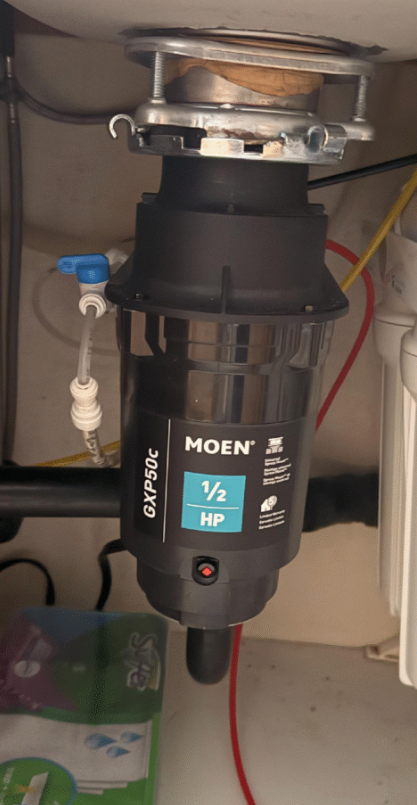
3. Know How to Use the Garbage Disposal Reset Button
If your disposal suddenly stops working, you may not need a repair right away. Many units have a garbage disposal reset button that can quickly fix the problem. In many cases, this built-in feature helps restore function without the need for professional service.
If your disposal stops running:
Turn off the power to the disposal.
Check underneath the unit and press the reset button.
Restore power and test the unit.
This simple step can restore power after the disposal overheats or jams.
You may need to clear a jam manually in some cases. You can loosen stuck blades by turning an Allen wrench underneath the unit.
4. Watch for Leaks Under the Sink
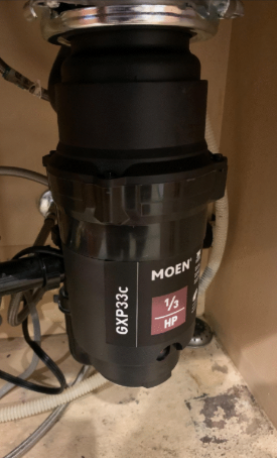
If you notice water under your kitchen sink, you may have a garbage disposal is leaking problem. In many cases, this issue develops gradually as different components of the unit begin to wear out over time.
Check the connections around the unit carefully. Leaks can sometimes come from:
A loose sink flange where the disposal connects to the sink
A worn rubber gasket
Loose pipe connections on the sink drain
If you notice a garbage disposal leaking from bottom, damaged internal seals may be causing the issue. When this happens, you often need to replace the disposal.
Inspecting the area under your sink regularly can help you catch small leaks before they become bigger plumbing problems.
5. Know When It’s Time to Replace Your Garbage Disposal
Garbage disposals typically last 8 to 15 years, depending on usage. Over time, normal wear can reduce performance and lead to more frequent issues.
If your disposal frequently clogs, leaks, or makes loud noises, it may be time to learn how to replace a garbage disposal.
Some signs it may need replacement include:
- Frequent resets
- Slow draining
- Persistent odors
- Leaks from the bottom of the disposal
- A garbage disposal is leaking even after tightening connections
A professional plumber can safely install a new unit and connect it to the sink flange, sink drain, and plumbing system.
Important Garbage Disposal Safety Tips
Safety is important when working around a garbage disposal. Never risk putting your hand inside the disposal to remove objects or stuck food waste. In many cases, taking proper precautions can help prevent unnecessary injuries.
Even when the disposal is off, the blades may still move if something shifts. Turn off the power before inspecting the disposal. Always be careful, because even a small mistake can cause cuts or injuries.
If something sticks in the drain opening, use tongs or pliers to remove it instead of putting your hand into the unit.
Occasionally running ice cubes through the disposal helps remove grease and food buildup, keeping it clean and reducing odors.
Final Thoughts
Taking care of your garbage disposal doesn’t take much time, but it can prevent major plumbing problems. Take care of your garbage disposal, run water while using it, and avoid putting in the wrong foods to make it last longer.
Run cold water when using the disposal, wash it with dish soap and hot water, and look for leaks under the sink. Even small mistakes can cause problems that may become more difficult and costly to fix later.
If your garbage disposal clogs, makes unusual noises, or leaks from the bottom, call a professional for help.
Contact Plumbing Repair Experts to take care of your disposal, keep it working, and protect your sink drain for years.